What Should You Do With A Junk Car After Accident?
After a serious crash, the next step can feel stressful and unclear. At Colorado Recycling Towing LLC, we help drivers understand safe removal, simple paperwork, and fair next steps after a vehicle is no longer useful.
What Should You Do With A Junk Car After Accident?
A junk car after accident should be checked for safety, title status, insurance claim needs, and removal options. Then, the owner can compare repair value, part value, donation, or pickup. This helps clear space, avoid delays, and make a safer decision.
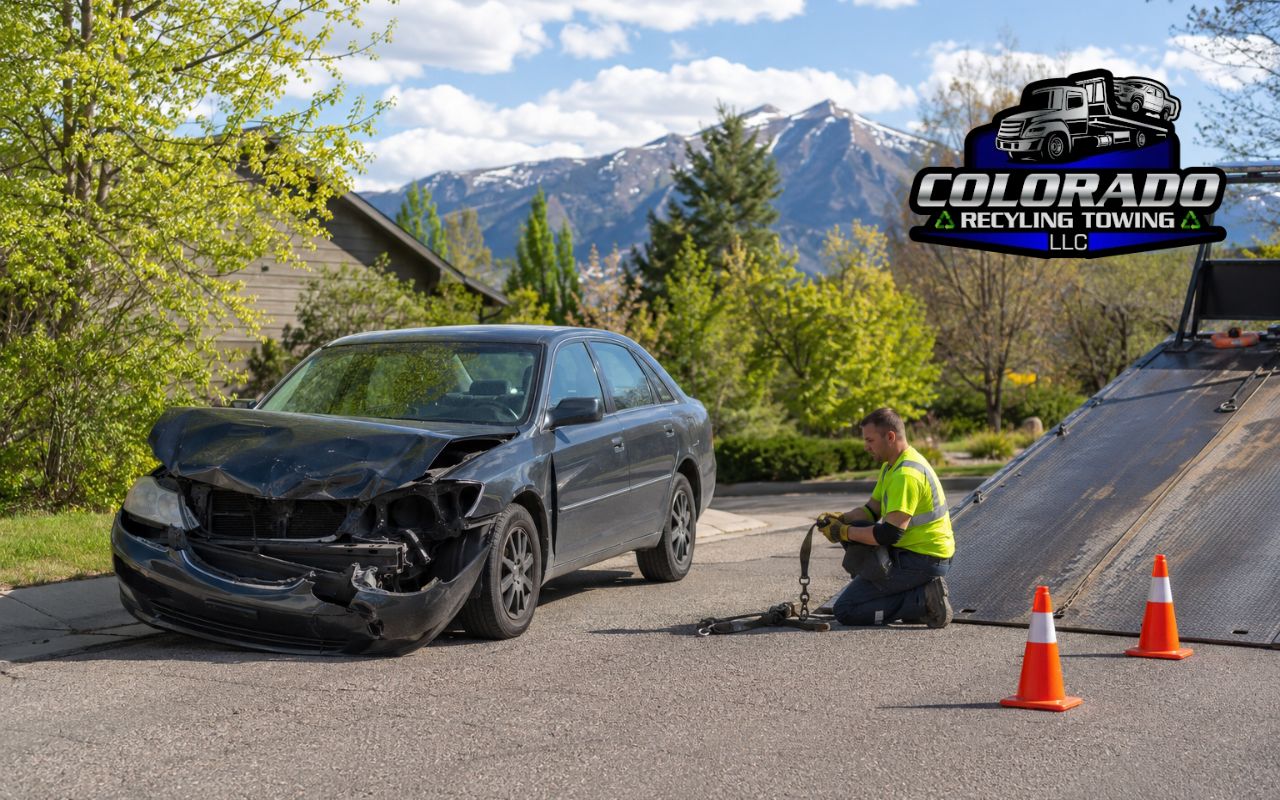
A junk car after accident means a vehicle damaged so badly that normal repair may not be safe, practical, or worth the cost. Drivers need this help after crashes, insurance decisions, or major body damage. At Colorado Recycling Towing LLC, we use this process to solve storage, towing, and disposal concerns.
Compare Repair Value With Safe Vehicle Removal Choices
A damaged vehicle should be compared by repair cost, safety risk, and removal value before any decision is made. This helps you avoid spending money on a car that may still be unsafe, hard to insure, or costly to keep.
When a car is beyond repair, the issue is not only the visible damage. Frame damage, deployed airbags, bent suspension, and engine problems can also affect safety.
Also, a junk car after accident can create storage problems. Therefore, quick action can prevent added stress, parking issues, or unwanted fees.
Check whether the vehicle starts, rolls, and steers safely.
Ask if the repair cost is higher than the car’s value.
Review whether the title, claim, or lien is still open.
Compare pickup options before moving the vehicle yourself.
The National Highway Traffic Safety Administration reported 6,138,359 police-reported traffic crashes in 2023, so accident follow-up is a common driver concern.
Review Insurance Steps Before Releasing Your Damaged Vehicle
An insurance total loss vehicle should not be released until you understand the settlement, title status, and ownership rules. This protects you from losing documents, missing a payment step, or signing away the car before your claim is settled.
Insurance companies may call a vehicle a total loss when repairs cost more than the car is worth. However, each claim can depend on your policy and state rules.
Before pickup, ask your adjuster whether the insurer needs photos, an inspection, or the title. Then, keep copies of all claim and sale records.
Decision Point What It Means For The Owner Repair estimate is too high The car may be better suited for removal or salvage. Insurance claim is still open Wait for clear instructions before signing the title. Vehicle is unsafe to drive Schedule towing instead of moving it yourself. Title is available The sale or pickup process is usually simpler.
According to NHTSA, about 2.44 million people were injured in traffic crashes in 2023. Therefore, safety should come before repair guesses.
Key Takeaway: First, compare repair value with safety. Then, confirm insurance steps before releasing the vehicle.
Choose Simple Options That Protect Time And Value
Accident damaged vehicle options include selling the whole vehicle, removing usable parts, donating it, or arranging pickup. The best choice depends on your time, title status, storage space, and how fast you want the damaged vehicle gone.
Some owners want to sell parts. However, that takes tools, storage, listings, and time. Also, some parts may be unsafe after a crash.
For many drivers, commercial: junk car removal after accident is simpler. Colorado Recycling Towing LLC can help explain pickup steps and basic details before removal.
Selling parts may take longer but can help in some cases.
Selling the whole car is often faster and easier.
Donation may fit owners who prefer a charitable option.
Professional pickup helps when the car cannot move safely.
For more service details, visit our service details page.
Prepare Documents That Make Pickup Move Smoothly
Good paperwork helps a damaged vehicle pickup stay simple, clear, and safe. You should gather the title, photo ID, claim details, and any release documents before the removal date so the transfer does not cause delays.
Also, remove personal items before pickup. Check the glove box, trunk, seat pockets, and under seats. Then, remove plates if your state requires it.
At Colorado Recycling Towing LLC, we explain what information helps us quote and schedule. This may include year, make, model, location, and damage details.
Find the title or ask about available options.
Take photos of the vehicle before it leaves.
Remove personal items and documents.
Confirm pickup access and parking location.
Keep your bill of sale or transfer record.
A clear title and accurate vehicle details can reduce delays during damaged car pickup.
Key Takeaway: Compare all options, but prepare paperwork early. This helps removal move faster and avoids last-minute problems.
Handle Fluids And Parts With Responsible Recycling Practices
Responsible removal matters because accident vehicles can contain oil, coolant, refrigerant, tires, and batteries. These items need proper handling, especially when the car is leaking, burned, flooded, or left sitting after a crash.
The U.S. Environmental Protection Agency says refrigerants, batteries, and tires may require special handling before vehicle recycling. Therefore, safe recycling protects soil, water, and nearby property.
Also, the EPA says about four million people reuse motor oil or take it to a recycling facility. Used oil should stay in a leak-proof container when handled.
Do not drain fluids onto the ground.
Do not place vehicle batteries in regular trash.
Keep leaking vehicles away from storm drains.
Use a removal team that understands safe handling.
A junk car after accident should be removed in a way that protects both people and property.
Schedule Pickup When The Vehicle Becomes A Burden
Pickup should be scheduled when the damaged car blocks space, cannot drive safely, or creates paperwork stress. Fast removal helps you move forward after the crash while avoiding more calls, storage concerns, and unsafe vehicle handling.
Colorado Recycling Towing LLC serves Colorado and helps drivers clear damaged vehicles with a simple process. Also, we can often guide customers through quote and pickup questions.
You can learn what may affect value by reading our value guide. You can also review our condition guide before calling.
A vehicle that cannot be driven safely should be towed instead of tested on public roads.
Key Takeaway: Safe recycling protects the property, while timely pickup helps the owner move forward after the crash.
Frequently Asked Questions
How do I know my crashed car is no longer worth fixing?
Your car may no longer be worth fixing when repair costs are higher than its value, safety is uncertain, or major parts are damaged. You can review our condition guide for simple signs.
When should I call for pickup after an accident?
You should call after the insurance company, police, or property owner says the vehicle can be moved. Then, contact us through contact our team to discuss location and access.
What happens if my insurance total loss vehicle still has a title?
A title can make transfer easier, but you should first confirm claim status with your insurer. After that, our cash quote guide can help you understand the selling process.
Why is professional removal safer than moving the car myself?
Professional removal is safer because crash damage can affect steering, brakes, tires, or structure. Instead of driving it, use our service details page to review pickup support.
How do I compare accident damaged vehicle options quickly?
Compare repair cost, claim status, title availability, time, and storage needs. Then, decide whether selling, donating, or scheduling pickup fits best. Our cash quote guide explains the next step.
Clear Your Damaged Vehicle With Less Stress Today
Colorado Recycling Towing LLC is ready to help you move forward with clear answers and simple pickup support. For fast help with a junk car after accident, reach out through contact our team today.