When Is Junk Car Removal for Landlords Needed in Colorado?
When Is Junk Car Removal for Landlords Needed in Colorado?
Document the Abandoned Tenant Vehicle Clearly
Vehicle Documentation Checklist
Restore Safe Access During Property Cleanup
Compare Landlord Vehicle Removal Planning Steps
Landlord Vehicle Removal Guide
Review Local Rules Before Unwanted Vehicle Removal
Responsible Removal Decision Checks
Prepare for Towing Day With Simple Steps
Improve Commercial Parking Area Control
What should landlords do before removing an abandoned car?
Can a junk vehicle affect rental property cleanup?
How can landlords prepare parking areas before removal?
Why does documentation matter for unwanted vehicle removal?
Who can landlords contact about removing unwanted vehicles?
Left-behind vehicles can slow a rental turnover, block access, and create confusion after a move-out. For landlords who need a practical next step, Abandoned Vehicle Removal explains why careful records matter before any car leaves the property.
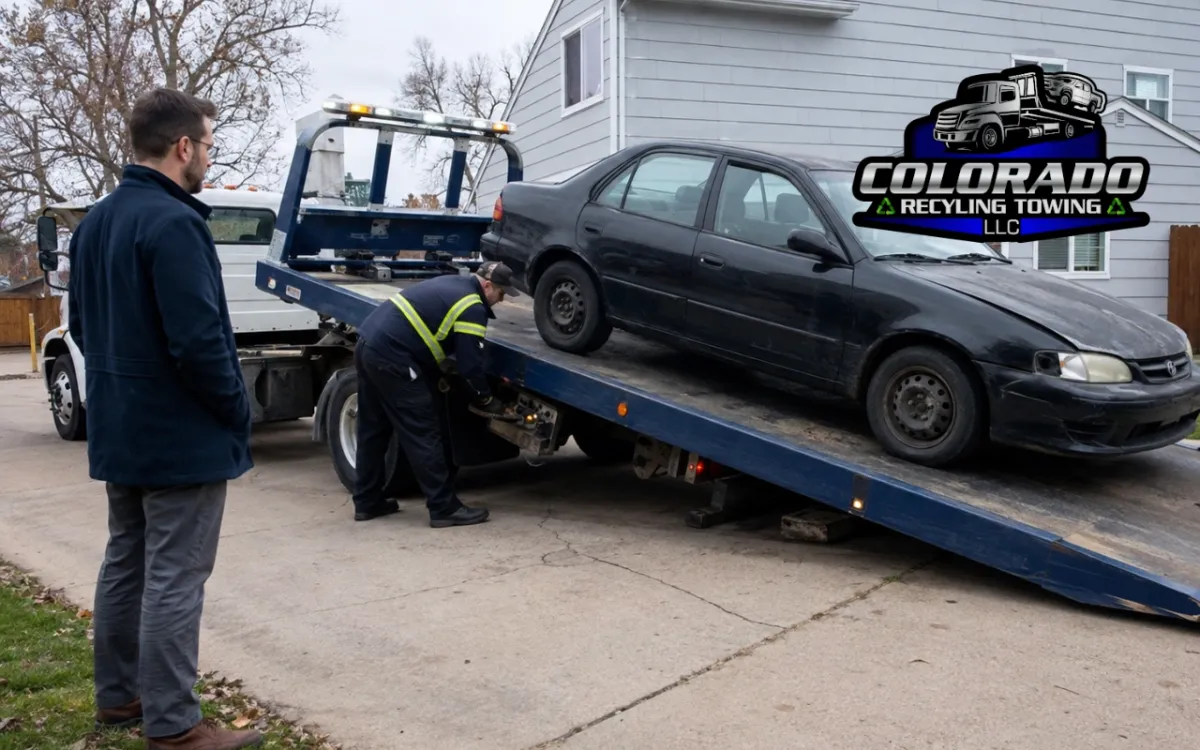
Junk car removal for landlords is needed when a tenant leaves a damaged, unused, or unwanted vehicle on rental property. The right process starts with documentation, rule review, clear access, and organized removal so the space can return to normal use.
Landlord vehicle removal is the process of handling a car left behind at a rental home, apartment lot, storage space, or commercial property. It helps owners clear blocked parking, reduce clutter, and continue property cleanup without guessing what to do next.
Document the Abandoned Tenant Vehicle Clearly
Good records help landlords understand what was left, where it was parked, and how the vehicle looked before removal. Photos and notes create a simple timeline, which can support a smoother unwanted vehicle removal process.
Before arranging junk car removal for landlords, write down the vehicle make, model, color, plate number, location, and visible condition. Also photograph damage, flat tires, missing parts, debris, and the surrounding area.
Clear documentation protects the cleanup process and helps avoid relying on memory later.
Vehicle Documentation Checklist
Take photos from several angles.
Record the date the vehicle was noticed.
Save move-out or tenant communication notes.
Note access limits near the vehicle.
Restore Safe Access During Property Cleanup
A junk vehicle can block parking, limit maintenance access, and make a managed property look neglected. Removing the vehicle supports property cleanup by clearing space before new tenants, workers, or visitors need to use the area.
Rental driveways, shared lots, alleys, and storage areas need open access. An abandoned tenant vehicle may also hide broken glass, weeds, trash, or oil stains.
The EPA explains that stormwater can carry pollutants from streets and parking lots into waterways, so visible leaks should be taken seriously.
Landlords can use Junk Car Services when a vehicle is clearly unwanted and the surrounding area needs attention. Open access helps the whole property work better after a move-out.
Key Takeaway
Landlords should document the vehicle, record access issues, and review visible property concerns before arranging removal or cleanup.
Compare Landlord Vehicle Removal Planning Steps
A clear planning table helps landlords organize the process before calling for help. It also makes the next step easier when a vehicle blocks a driveway, shared lot, storage area, or commercial space.
Landlord Vehicle Removal Guide
Planning Step | Why It Matters | Helpful Action |
|---|---|---|
Document the vehicle | Photos and notes create a clear record before removal. | Record the make, model, color, plate, condition, and location. |
Review lease and property rules | Parking terms may affect the next step after move-out. | Check tenant records, move-out notes, and parking language. |
Check local requirements | Abandoned vehicle rules can affect private-property removal. | Review applicable rules before assuming the car can leave. |
Prepare access | The tow vehicle needs enough room to approach and load safely. | Clear gates, parked cars, debris, and blocked paths when possible. |
Inspect the space after removal | Cleanup may still be needed after the vehicle is gone. | Look for trash, stains, broken glass, weeds, or leaks. |
Review Local Rules Before Unwanted Vehicle Removal
Landlords should review local requirements before moving an abandoned vehicle. A tenant may be gone, but the vehicle can still have an owner, lienholder, or notice process connected to it.
Colorado Revised Statutes Section 42-4-2103 addresses abandoned and nonconsensual towing on private property. Because rules can depend on property type and location, landlords should avoid quick assumptions.
Responsible removal starts with the correct process, not only the vehicle condition.
Responsible Removal Decision Checks
Has the tenant moved out or surrendered the space?
Is the vehicle on private rental property?
Does the lease mention parking or stored vehicles?
Has the vehicle been documented clearly?
Is the removal path open and safe?
For Denver-area cleanup needs, Junk Towing in Denver CO can help landlords think through access, towing space, and vehicle condition.
Key Takeaway
Before removing an unwanted vehicle, landlords should review records, lease details, local rules, vehicle condition, and towing access.
Prepare for Towing Day With Simple Steps
A clear booking process helps landlords know what information to gather before removal. When the details are ready, the appointment can focus on access, vehicle condition, and the safest way to clear the space.
At Colorado Recycling Towing LLC, we ask where the vehicle is parked, whether it rolls, and whether there are access limits. We may also ask about gates, tight lots, garages, other parked cars, or debris around the vehicle.
Landlord Booking Steps
Share the vehicle location and property type.
Explain the visible condition and access issues.
Provide photos when they help.
Clear a path before the appointment.
Review the area after removal.
Before you schedule with Colorado Recycling Towing LLC, gather the basic vehicle details and any notes from the rental file. This helps keep junk car removal for landlords organized from the first call.
Improve Commercial Parking Area Control
Commercial landlords often need faster control of shared spaces because abandoned cars can affect customers, tenants, loading areas, and maintenance routes. Organized removal helps return high-use areas to normal business function.
For commercial property managers, junk car removal for landlords in Colorado can support cleaner lots, better access, and fewer disputes over blocked spaces. With Colorado Recycling Towing LLC, landlords get guidance focused on the vehicle, the access route, and the cleanup goal.
A neglected vehicle may create several problems at once.
Commercial Lot Problems
Blocked customer parking
Restricted service lanes
Confusion for active tenants
Trash around the vehicle
Possible fluid leaks
When customers contact Colorado Recycling Towing LLC, we review practical details before the work begins. Commercial spaces need clear traffic flow, especially when several tenants share the same lot.
Key Takeaway
Landlords can make towing day smoother by sharing access details, clearing the area, preparing photos, and checking the space after removal.
Frequently Asked Questions
What should landlords do before removing an abandoned car?
Landlords should document the vehicle, review the lease, check local requirements, and keep clear notes. Photos, dates, plates, and tenant communication can help organize the process. For related guidance, visit Abandoned Vehicle Removal.
Can a junk vehicle affect rental property cleanup?
Yes, a junk vehicle can block access, hide debris, and delay cleaning after a tenant leaves. Once the vehicle is handled properly, landlords can inspect the space, remove trash, and prepare the area for normal use again.
How can landlords prepare parking areas before removal?
Landlords can move nearby obstacles, unlock gates, notify active tenants when needed, and clear trash near the vehicle. If the car is in a tight lot, Junk Towing in Denver CO may help with planning access.
Why does documentation matter for unwanted vehicle removal?
Documentation gives landlords a clear record of the abandoned tenant vehicle before removal. Notes and photos can show the condition, location, and timeline. This makes unwanted vehicle removal more organized and easier to explain if questions come up later.
Who can landlords contact about removing unwanted vehicles?
Landlords can contact a towing team that understands junk vehicles, access limits, and property cleanup needs. To ask about the next step, use Contact Our Team and share the vehicle location and condition.
Start Clear Vehicle Removal Planning With Helpful Guidance
At Colorado Recycling Towing LLC, we keep the process practical for landlords who need cleaner, safer, and more usable spaces. If a vehicle is slowing your turnover or blocking access, review your records, prepare the area, and Contact Our Team for the next step.